
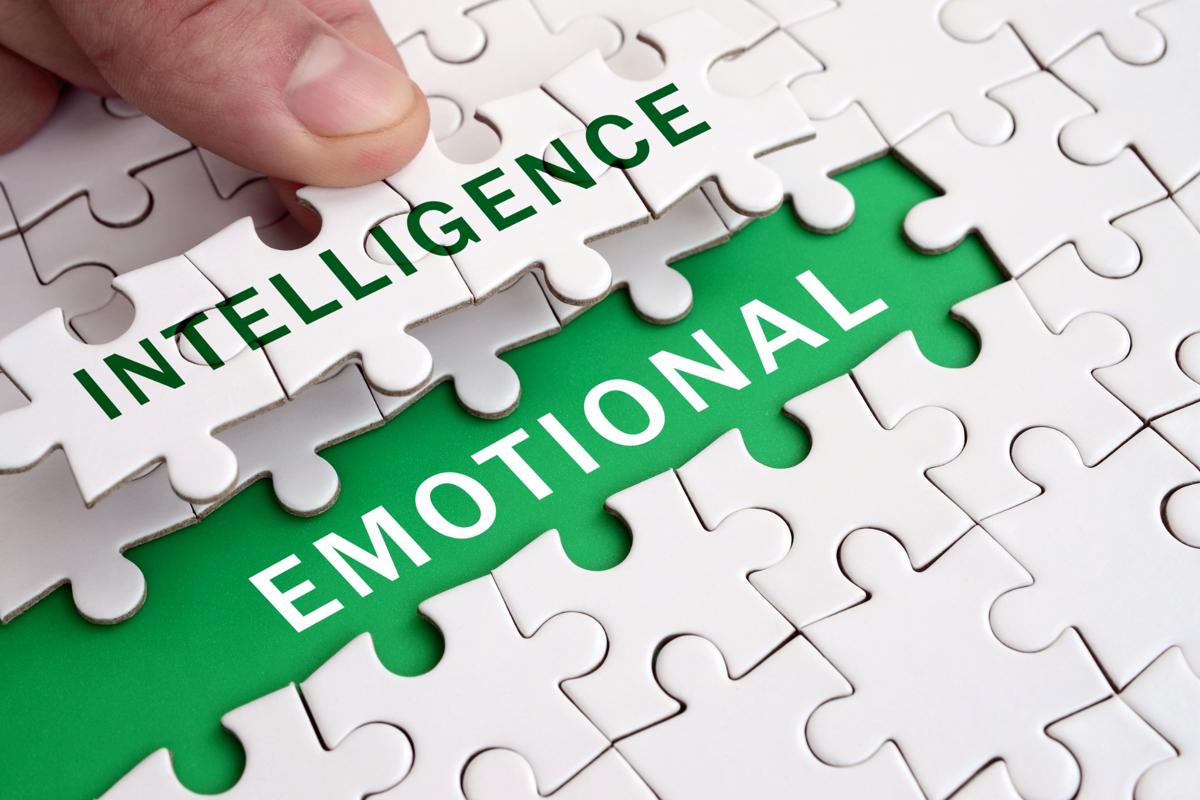
Understanding Emotional Intelligence and Its Impact on Mental Wellness
Emotional intelligence is often discussed in professional settings, but its influence extends far beyond workplace performance. The ability to recognize, understand, and regulate emotions plays a central role in mental health, relationship stability, and stress management.
At Spark Wellness, we frequently work with individuals who feel overwhelmed not because they lack intelligence or motivation, but because they have not yet developed the tools to process emotions effectively. Strengthening emotional intelligence can significantly improve mental wellness and resilience.
What Is Emotional Intelligence?
Emotional intelligence (EI) refers to the ability to:
- Identify your own emotions
- Understand what those emotions are signaling
- Regulate emotional responses
- Recognize emotions in others
- Respond to others with empathy
Unlike IQ, emotional intelligence can be developed and strengthened over time through intentional practice and therapeutic support.
Why Emotional Intelligence Matters for Mental Health
When individuals struggle to identify or regulate emotions, they may experience:
- Heightened anxiety
- Sudden mood swings
- Relationship conflict
- Impulsive reactions
- Emotional shutdown or numbness
Without emotional awareness, feelings may build until they become overwhelming. This can lead to unhealthy coping strategies, avoidance, or reactive behaviors.
By contrast, strong emotional intelligence supports calmer decision-making and healthier communication.
The Five Core Components of Emotional Intelligence
- Self-Awareness
Recognizing your emotional state in the moment. - Self-Regulation
Managing emotional reactions rather than acting impulsively. - Motivation
Staying focused on long-term goals despite temporary discomfort. - Empathy
Understanding and validating the emotions of others. - Social Skills
Navigating conflict and building healthy relationships.
When these components are underdeveloped, stress and interpersonal challenges may escalate quickly.
Emotional Intelligence and Anxiety
Individuals with high anxiety often experience rapid emotional shifts without understanding the underlying triggers. Emotional intelligence helps by:
- Identifying early physical signs of stress
- Naming specific fears instead of general panic
- Challenging distorted thought patterns
- Creating space between emotion and action
This pause between feeling and reacting can significantly reduce anxiety intensity.
Emotional Intelligence and Depression
Depression may involve difficulty identifying emotions or feeling emotionally numb. Building emotional awareness can help individuals reconnect with internal experiences.
Therapy can assist in:
- Differentiating sadness from hopelessness
- Recognizing suppressed anger
- Understanding guilt or shame
- Rebuilding emotional vocabulary
Clarity reduces confusion and supports targeted coping strategies.
Practical Ways to Strengthen Emotional Intelligence
Emotional intelligence improves with consistent practice.
Pause Before Reacting
When emotions intensify, take a moment to breathe and observe what you are feeling.
Label Emotions Specifically
Instead of saying “I’m upset,” try identifying whether you feel frustrated, disappointed, anxious, or hurt.
Reflect on Emotional Patterns
Notice recurring triggers and how you typically respond.
Practice Empathetic Listening
Focus on understanding others rather than immediately defending your perspective.
Engage in Therapy
Structured therapeutic support accelerates emotional skill development.
Long-Term Benefits of Emotional Growth
Strengthening emotional intelligence can lead to:
- Improved relationships
- Better stress tolerance
- Reduced impulsivity
- Increased self-confidence
- Greater overall mental stability
Emotional intelligence does not eliminate difficult feelings. Instead, it creates the capacity to navigate them effectively.
Building Emotional Resilience
Mental wellness is not about avoiding emotion — it is about developing the ability to move through emotion without becoming overwhelmed by it.
At Spark Wellness, we help individuals strengthen emotional awareness, regulation skills, and relational insight. Through evidence-based therapy and supportive guidance, emotional intelligence can become a powerful foundation for long-term mental health.
If you feel reactive, disconnected from your emotions, or overwhelmed by stress, professional support can help you build the tools needed to respond to life’s challenges with greater clarity and confidence.
Recovery articles for you

Seasonal Affective Patterns: How Seasonal Changes Affect Mood and Anxiety
Understanding Emotional Intelligence and Its Impact on Mental Wellness

The Role of Nutrition in Supporting Mental Health Recovery
Spark Wellness provides evidence-based, client centered substance abuse treatment. Our facility is meticulously designed to produce comfort, relaxation, and freedom from the overwhelming stressors of daily life.



Have a concern about patient safety or quality of care?
You can contact The Joint Commission directly:
Phone: 1-800-994-6610
Email: patientsafetyreport@jointcommission.org
Website: www.jointcommission.org
Mail:
The Office of Quality and Patient Safety
The Joint Commission
One Renaissance Boulevard
Oakbrook Terrace, IL 60181
You may file a concern without fear of retaliation.
Spark Wellness supports your right to speak up for safety.
Posted in accordance with accreditation standards.


