
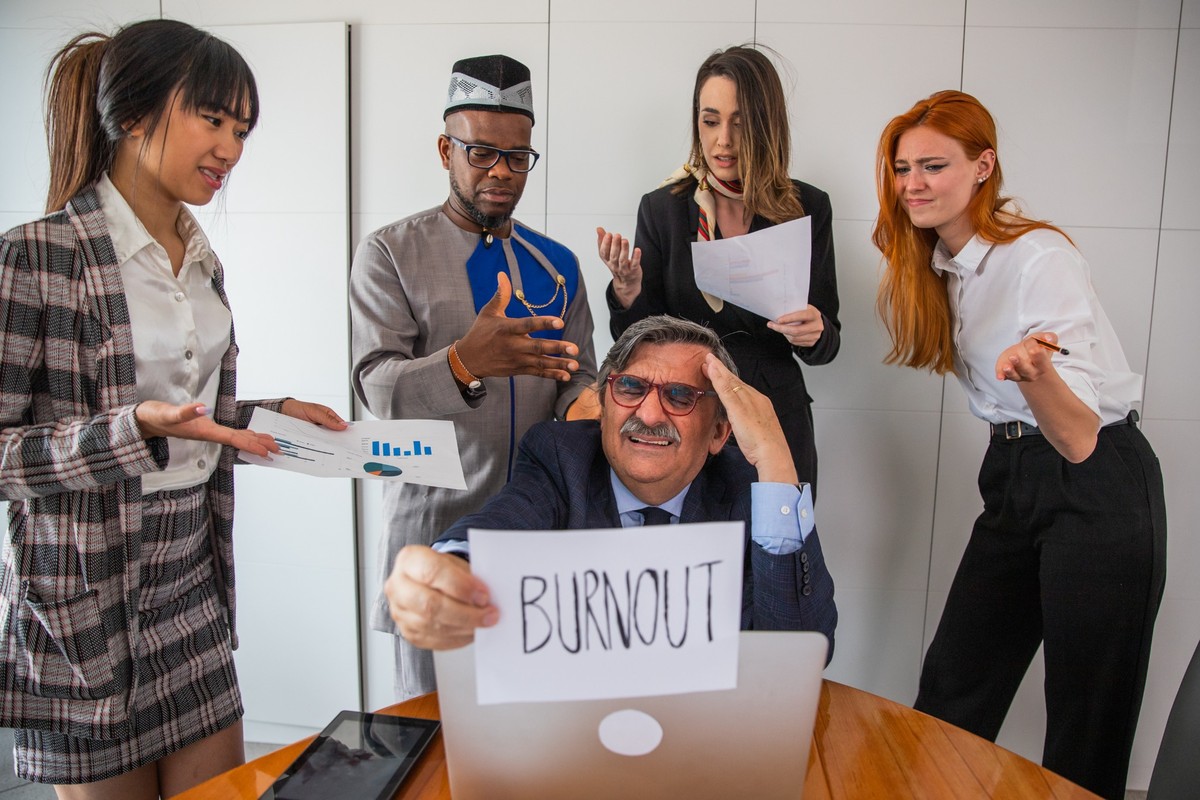
Workplace Burnout and Mental Health: How Chronic Job Stress Leads to Anxiety and Depression
Burnout has become one of the most common mental health concerns in today’s workforce. What was once dismissed as simple exhaustion is now recognized as a serious condition that can affect emotional well-being, cognitive function, and overall quality of life. Chronic workplace stress does not just impact job performance. It can significantly increase the risk of anxiety, depression, and substance use.
Understanding how burnout develops and how it affects mental health is an important step toward prevention and recovery.
What Is Workplace Burnout?
Workplace burnout is a state of prolonged physical, emotional, and mental exhaustion caused by ongoing job-related stress. It is often driven by excessive workload, lack of control, unclear expectations, and insufficient support.
Burnout typically develops gradually. Many people do not realize they are experiencing it until symptoms begin interfering with their health, relationships, or ability to function day to day.
How Chronic Job Stress Affects the Brain
When stress is constant, the nervous system remains in a heightened state of alert. Over time, this can dysregulate stress hormones like cortisol and impair the brain’s ability to recover.
Chronic workplace stress can lead to:
- Difficulty concentrating and making decisions
- Increased irritability and emotional reactivity
- Disrupted sleep patterns
- Reduced motivation and productivity
When the brain stays in survival mode, it becomes harder to manage emotions and maintain mental balance.
Burnout and Anxiety
Anxiety is one of the most common mental health conditions associated with burnout. Individuals may feel constantly on edge, overwhelmed, or unable to shut their thoughts off, even outside of work hours.
Common anxiety-related burnout symptoms include:
- Racing thoughts about work
- Fear of falling behind or making mistakes
- Physical tension, headaches, or gastrointestinal discomfort
- Difficulty relaxing or enjoying time off
Over time, anxiety fueled by burnout can become chronic if left unaddressed.
Burnout and Depression
Burnout can also contribute to depressive symptoms, especially when stress feels inescapable. Emotional exhaustion often leads to feelings of hopelessness, detachment, or numbness.
Signs burnout may be contributing to depression include:
- Loss of interest in work or activities once enjoyed
- Persistent fatigue that rest does not improve
- Feelings of inadequacy or failure
- Emotional withdrawal from coworkers, friends, or family
When burnout and depression overlap, individuals may struggle to see a path forward without professional support.
The Connection Between Burnout and Substance Use
Some individuals turn to substances as a way to cope with chronic work stress. Alcohol, stimulants, or unregulated substances may be used to manage exhaustion, anxiety, or emotional numbness.
While these behaviors may offer temporary relief, they often worsen mental health symptoms over time and increase the risk of dependence.
Why Burnout Is Not Just a Personal Issue
Burnout is often framed as an individual problem, but it is frequently rooted in systemic workplace factors. High expectations, constant availability, lack of boundaries, and limited recovery time all contribute.
Ignoring burnout can lead to long-term mental health consequences, increased absenteeism, and decreased overall well-being.
When Burnout Becomes a Mental Health Concern
Burnout crosses into a mental health issue when symptoms persist, intensify, or interfere with daily functioning. Warning signs that professional support may be needed include:
- Anxiety or depression lasting weeks or months
- Difficulty functioning at work or home
- Emotional numbness or persistent irritability
- Thoughts of quitting abruptly or feeling trapped
Mental health treatment can help individuals regain balance and develop healthier coping strategies.
How Mental Health Treatment Can Help
Structured mental health care can support individuals experiencing burnout by:
- Identifying underlying stressors and patterns
- Teaching emotional regulation and stress management skills
- Addressing anxiety or depressive symptoms
- Supporting sustainable work-life boundaries
Mental health intensive outpatient programs can be especially helpful for individuals who need more support than weekly therapy while continuing to work or care for family.
Moving Toward Recovery
Burnout recovery involves more than time off. It requires intentional changes, emotional support, and often professional guidance. Addressing burnout early can prevent deeper mental health challenges and support long-term well-being.
Recovery articles for you

Seasonal Affective Patterns: How Seasonal Changes Affect Mood and Anxiety

Understanding Emotional Intelligence and Its Impact on Mental Wellness

The Role of Nutrition in Supporting Mental Health Recovery
Spark Wellness provides evidence-based, client centered substance abuse treatment. Our facility is meticulously designed to produce comfort, relaxation, and freedom from the overwhelming stressors of daily life.



Have a concern about patient safety or quality of care?
You can contact The Joint Commission directly:
Phone: 1-800-994-6610
Email: patientsafetyreport@jointcommission.org
Website: www.jointcommission.org
Mail:
The Office of Quality and Patient Safety
The Joint Commission
One Renaissance Boulevard
Oakbrook Terrace, IL 60181
You may file a concern without fear of retaliation.
Spark Wellness supports your right to speak up for safety.
Posted in accordance with accreditation standards.


