
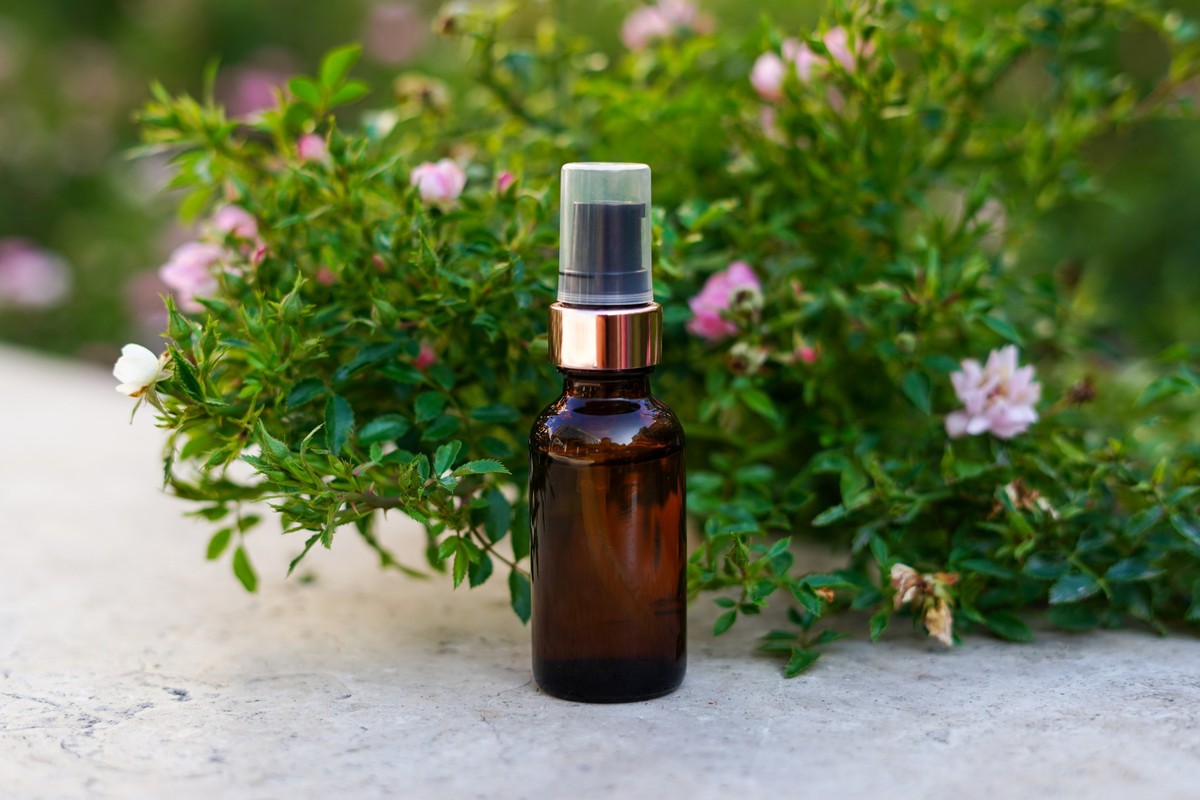
What Is Feel Free? Understanding the Viral Kratom Drink and Its Potential Risks
In recent months, a product called Feel Free has gained massive attention across social media, podcasts, and wellness communities. Marketed as a natural mood booster and productivity aid, Feel Free is often positioned as a safer alternative to alcohol or traditional stimulants. But as interest grows, so do concerns about its ingredients, effects, and potential risks, especially for individuals managing mental health conditions.
This article breaks down what Feel Free is, why it has gone viral, and what people should understand before using kratom based wellness drinks.
What Is the Feel Free Drink?
Feel Free is a bottled wellness tonic that contains kratom leaf extract and kava root, two plant based substances that can affect the brain and nervous system. The product is commonly sold in convenience stores, wellness shops, and online, often without the same scrutiny applied to prescription or regulated substances.
The drink is promoted as a way to enhance focus, reduce stress, and improve mood. Many users report feeling relaxed yet energized, which has helped fuel its popularity among professionals, fitness enthusiasts, and people seeking alternatives to alcohol.
Why Has Feel Free Gone Viral?
Feel Free’s rise can be traced to a combination of influencer marketing, word of mouth testimonials, and its positioning within the wellness space. Social media content frequently frames the drink as “natural,” “plant based,” or “non addictive,” which can create a false sense of safety.
Another factor is accessibility. Because kratom and kava are legal in many states and sold over the counter, people may assume these substances are harmless or low risk. However, legality does not equal safety, especially when products are consumed regularly or in increasing amounts.
Understanding Kratom and Kava
Kratom is derived from the leaves of a tree native to Southeast Asia. At low doses, kratom can produce stimulant like effects. At higher doses, it acts more like an opioid, creating sedation and euphoria. Kratom interacts with opioid receptors in the brain, which is why it carries a risk of dependence and withdrawal.
Kava is traditionally used for its calming effects and is known to reduce anxiety in some people. When combined with kratom, the effects can be unpredictable, particularly for individuals with anxiety disorders, depression, or a history of substance use.
Potential Risks of Feel Free and Kratom Drinks
While some users report positive short term effects, there are growing reports of negative outcomes associated with Feel Free and similar kratom beverages:
- Increased tolerance leading to frequent or daily use
- Withdrawal symptoms when stopping, including anxiety, irritability, insomnia, and low mood
- Worsening anxiety or depression over time
- Gastrointestinal issues and fatigue
- Psychological dependence tied to work performance or stress relief
Because these drinks are not FDA approved, there is limited oversight regarding dosage consistency, ingredient sourcing, and long term safety.
Mental Health Considerations
For individuals already managing anxiety, depression, or chronic stress, products like Feel Free can complicate symptoms rather than relieve them. Substances that artificially alter mood may mask underlying issues, delay proper treatment, or contribute to emotional instability when their effects wear off.
People enrolled in or considering mental health treatment often do not realize that kratom use can interfere with therapy progress, emotional regulation, and sleep quality.
When to Seek Professional Support
If someone finds themselves relying on Feel Free to get through the day, experiencing anxiety when they do not have it, or struggling to stop using it, these may be signs of problematic use. Support from mental health professionals can help address both the substance use and the underlying stressors or emotional challenges driving it.
At Spark Wellness, treatment focuses on helping individuals develop sustainable coping strategies that do not rely on unregulated substances or quick fixes.
Final Thoughts
Feel Free may be marketed as a wellness drink, but its active ingredients have real effects on the brain and mental health. Understanding what is in these products and how they work is essential for making informed decisions.
If you or someone you care about is experiencing negative effects from kratom or struggling with stress, anxiety, or reliance on mood altering substances, professional support can help create safer and healthier paths forward.
Recovery articles for you

Seasonal Affective Patterns: How Seasonal Changes Affect Mood and Anxiety
Understanding Emotional Intelligence and Its Impact on Mental Wellness

The Role of Nutrition in Supporting Mental Health Recovery
Spark Wellness provides evidence-based, client centered substance abuse treatment. Our facility is meticulously designed to produce comfort, relaxation, and freedom from the overwhelming stressors of daily life.



Have a concern about patient safety or quality of care?
You can contact The Joint Commission directly:
Phone: 1-800-994-6610
Email: patientsafetyreport@jointcommission.org
Website: www.jointcommission.org
Mail:
The Office of Quality and Patient Safety
The Joint Commission
One Renaissance Boulevard
Oakbrook Terrace, IL 60181
You may file a concern without fear of retaliation.
Spark Wellness supports your right to speak up for safety.
Posted in accordance with accreditation standards.


