
Is the Feel Free Drink Addictive? What to Know About Kratom-Based Beverages
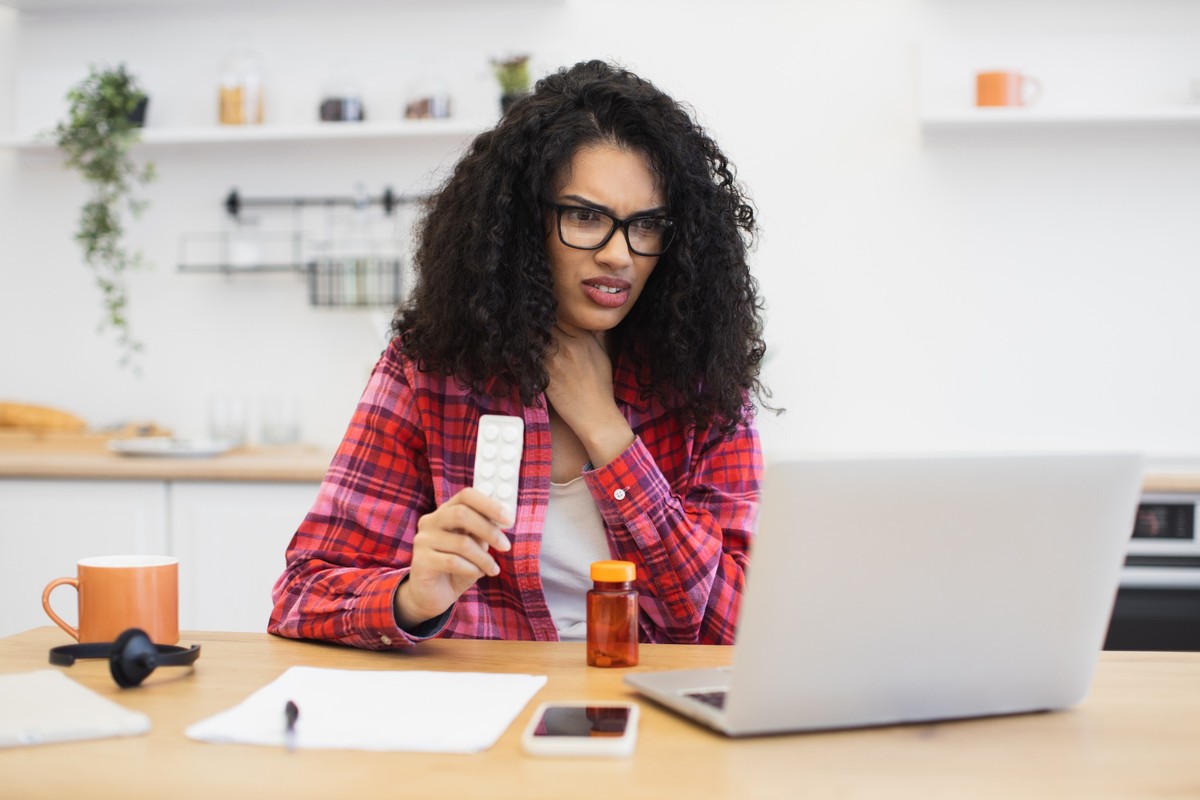
As products like Feel Free continue to gain popularity, a common question is starting to surface: is the Feel Free drink addictive? Marketed as a natural wellness tonic, Feel Free contains active ingredients that can affect brain chemistry and behavior, raising legitimate concerns about dependence, tolerance, and mental health impact.
This article takes a clear, evidence-informed look at how kratom-based beverages work, why they can become habit-forming, and what consumers should understand before regular use.
What’s in the Feel Free Drink?
Feel Free contains two primary psychoactive ingredients:
- Kratom (Mitragyna speciosa)
- Kava root
While both are plant-derived, each interacts with the central nervous system in meaningful ways. The combination can produce calming, mood-elevating, and mildly euphoric effects, especially when consumed repeatedly.
The issue is not whether these ingredients are “natural,” but how they affect the brain over time.
How Kratom Affects the Brain
Kratom’s active compounds bind to opioid receptors in the brain. At lower doses, kratom may feel stimulating or mood-enhancing. At higher or repeated doses, it can produce sedating effects similar to opioids.
Because of this mechanism, kratom can:
- Create psychological reliance for stress relief or emotional regulation
- Lead to tolerance, requiring more frequent use to achieve the same effect
- Cause withdrawal symptoms when use is reduced or stopped
This is why kratom is increasingly discussed in conversations about dependence and substance misuse.
Can Feel Free Be Habit-Forming?
For some people, occasional use may not escalate. For others, Feel Free can quickly become part of a daily routine, especially when used to manage:
- Work stress
- Social anxiety
- Low mood or burnout
- Energy crashes or emotional numbness
When a substance becomes the primary way someone copes with stress or functions at work, the risk of dependence increases, even if the product is sold as a wellness drink.
Signs of Kratom Dependence
People often overlook early warning signs because the product feels benign. Potential red flags include:
- Needing Feel Free to feel “normal” or productive
- Increased frequency or dosage over time
- Anxiety, irritability, or fatigue when skipping a day
- Difficulty stopping despite wanting to cut back
- Using the drink to manage emotions rather than situations
These patterns are similar to those seen with other substances that affect dopamine and opioid pathways.
Withdrawal Is a Real Concern
Kratom withdrawal is not always severe, but it can be uncomfortable enough to keep people using. Common symptoms include:
- Anxiety or restlessness
- Insomnia
- Depressed mood
- Irritability
- Physical discomfort or fatigue
Because Feel Free is not regulated like prescription medications, users may not realize withdrawal is possible until they experience it.
Why “Wellness” Marketing Can Be Misleading
Labeling a product as plant-based or holistic does not guarantee safety. The lack of FDA oversight means:
- Dosage consistency may vary
- Long-term effects are not well studied
- Consumers may underestimate risks
This is particularly concerning for individuals with anxiety disorders, depression, or a history of substance use, where kratom can worsen symptoms or interfere with treatment.
Mental Health Implications
Using kratom-based drinks to self-manage stress or mood can delay appropriate mental health care. Over time, reliance on substances like Feel Free may:
- Mask underlying anxiety or depression
- Increase emotional instability
- Disrupt sleep and focus
- Complicate therapy progress
Sustainable mental health improvement typically requires structured support, not chemical coping.
When to Seek Help
If stopping Feel Free feels difficult, or if use has become tied to emotional or functional stability, professional support can help. Mental health programs can address both substance reliance and the root causes driving it, such as chronic stress, burnout, or anxiety.
Early intervention often prevents more serious dependency patterns from developing.
Final Takeaway
Yes, the Feel Free drink can be addictive for some individuals, particularly due to its kratom content and how it interacts with the brain. Being informed about these risks allows people to make safer decisions and recognize when extra support may be needed.
If questions or concerns about kratom use or mental health are coming up, reaching out to a licensed professional can be an important first step.
Recovery articles for you

Seasonal Affective Patterns: How Seasonal Changes Affect Mood and Anxiety
Understanding Emotional Intelligence and Its Impact on Mental Wellness

The Role of Nutrition in Supporting Mental Health Recovery
Spark Wellness provides evidence-based, client centered substance abuse treatment. Our facility is meticulously designed to produce comfort, relaxation, and freedom from the overwhelming stressors of daily life.



Have a concern about patient safety or quality of care?
You can contact The Joint Commission directly:
Phone: 1-800-994-6610
Email: patientsafetyreport@jointcommission.org
Website: www.jointcommission.org
Mail:
The Office of Quality and Patient Safety
The Joint Commission
One Renaissance Boulevard
Oakbrook Terrace, IL 60181
You may file a concern without fear of retaliation.
Spark Wellness supports your right to speak up for safety.
Posted in accordance with accreditation standards.


