
.jpg)
How Family Stress and Holiday Expectations Can Influence Substance Use Patterns
Families often imagine the holidays as peaceful and joyful, but in reality, this time of year can bring tension, complicated emotions and unrealistic expectations. For individuals who struggle with substance use, these pressures can intensify cravings and make coping much harder. Understanding how family dynamics affect recovery can help loved ones create healthier, more supportive environments during the holiday season.
The Weight of Family Expectations
Holiday expectations often come from a good place, but they can be overwhelming. Families may want everyone together. They may hope for smooth interactions, perfect meals or conflict free gatherings. When these expectations are placed on someone who is managing substance use challenges, the pressure can be heavy.
Examples of seasonal expectations that create stress include:
- Attending every family event
- Acting cheerful even if emotions are mixed
- Staying for long visits without breaks
- Participating in traditions that once involved drinking or drug use
- Avoiding conflict to “keep the peace”
- Pretending everything is fine to make others comfortable
These expectations can make a person feel trapped. Instead of supporting recovery, they can increase anxiety, frustration and self doubt.
The Role of Family Conflict
Conflict can surface quickly during the holidays. Longstanding tension, unresolved disagreements, sibling rivalry, misunderstandings or strained parent child relationships often become more noticeable when everyone is in the same space.
Even subtle conflict, such as passive comments or uncomfortable emotional distance, can trigger old patterns or lead someone toward unhealthy coping. Stress in the home has a direct impact on relapse risk, and December tends to bring more of that stress than any other month.
Emotional Triggers That Families May Not Recognize
Some triggers are obvious, but many are quiet and often overlooked. Loved ones might not realize how powerful these experiences can be.
Common emotional triggers include:
- Feeling judged or criticized
- Being compared to other family members
- Revisiting childhood environments where past trauma occurred
- Seeing relatives who used substances together in the past
- Feeling pressure to explain recovery or justify boundaries
- Being asked intrusive questions about sobriety or treatment
These emotional triggers can accumulate, leading to cravings even if the person has been stable for months.
What Families Can Do To Reduce Holiday Pressure
Family members play a major role in shaping a supportive environment. A few small shifts can dramatically change the way someone in recovery experiences the holiday season.
1. Offer choices without guilt.
Let your loved one decide which events they can attend and how long they want to stay.
2. Avoid urging them to “just relax” or “just have fun.”
Statements like these can feel dismissive. Instead, ask what would make the gathering more comfortable.
3. Keep alcohol low profile.
Serve it away from the main gathering area or provide strong non alcoholic options so there is no pressure to participate.
4. Reframe traditions if needed.
Old traditions that revolved around substances may need to be replaced with new, healthier ones. Families can take the lead on this shift.
5. Check in privately.
A quiet moment of honesty can help reduce pressure. Ask how they are feeling and whether they need a break.
6. Respect boundaries immediately.
If someone in recovery says they need to leave early or skip a gathering, honor that decision.
Creating a Healthier Holiday Experience
Families do not need to eliminate every source of stress for the holidays to be manageable. The goal is simply to reduce unnecessary tension and create a space where loved ones feel understood and supported.
Substance use challenges do not pause for December, and the holidays do not erase stress. But with awareness, flexibility and compassion, families can help reduce triggers and make this season safer and more stable for everyone involved.
Recovery articles for you

Seasonal Affective Patterns: How Seasonal Changes Affect Mood and Anxiety
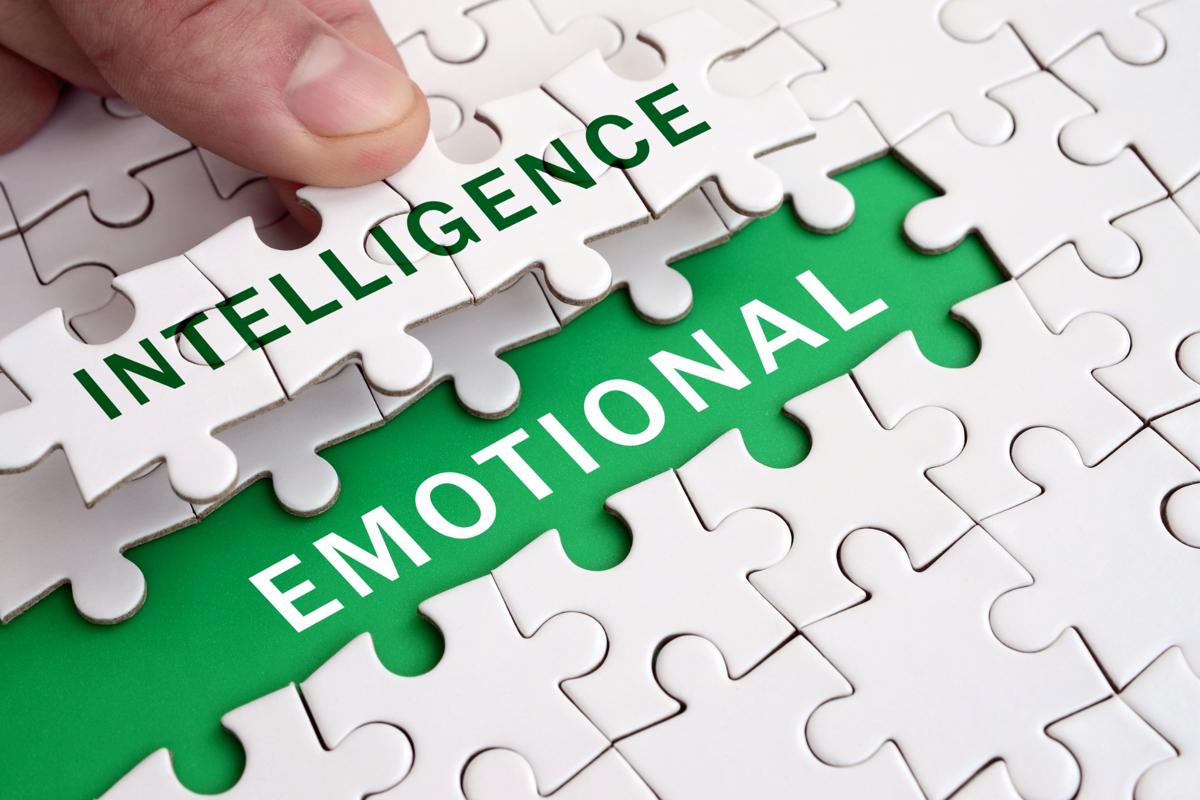
Understanding Emotional Intelligence and Its Impact on Mental Wellness

The Role of Nutrition in Supporting Mental Health Recovery
Spark Wellness provides evidence-based, client centered substance abuse treatment. Our facility is meticulously designed to produce comfort, relaxation, and freedom from the overwhelming stressors of daily life.



Have a concern about patient safety or quality of care?
You can contact The Joint Commission directly:
Phone: 1-800-994-6610
Email: patientsafetyreport@jointcommission.org
Website: www.jointcommission.org
Mail:
The Office of Quality and Patient Safety
The Joint Commission
One Renaissance Boulevard
Oakbrook Terrace, IL 60181
You may file a concern without fear of retaliation.
Spark Wellness supports your right to speak up for safety.
Posted in accordance with accreditation standards.


