
Anxiety vs Depression: How to Tell the Difference and Why It Matters for Treatment
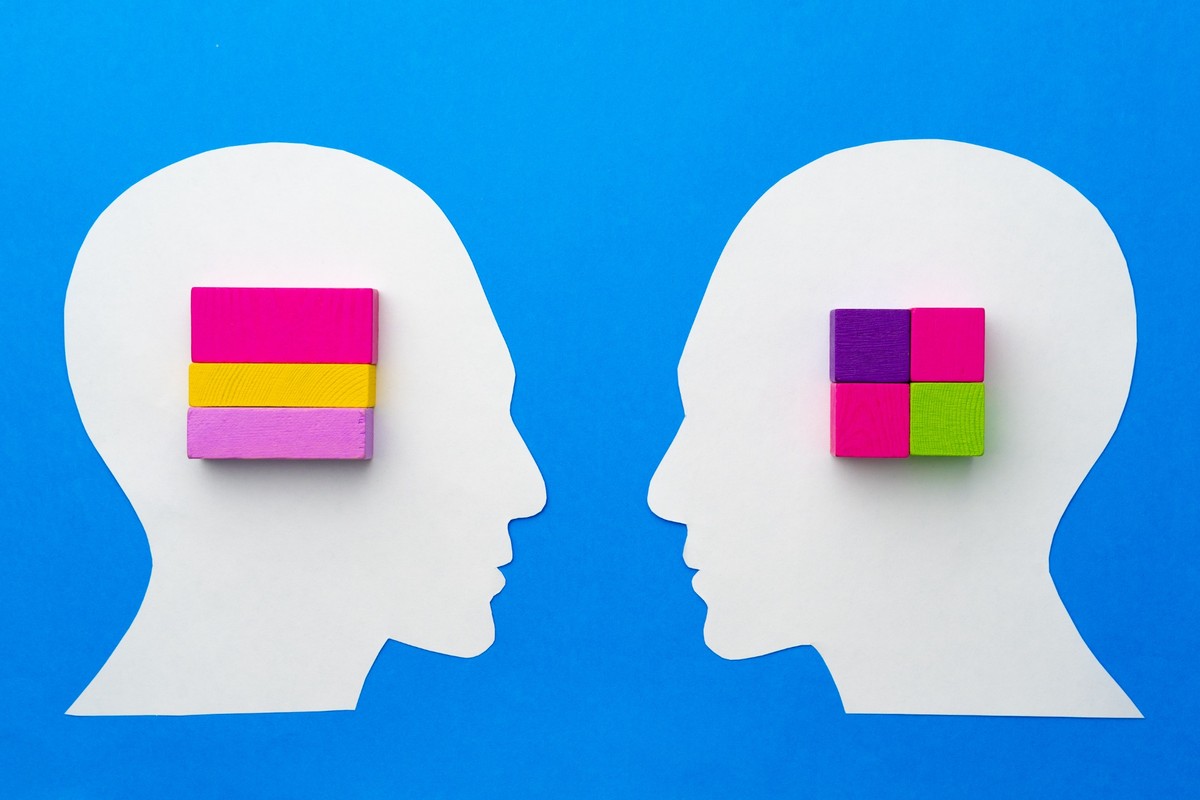
Anxiety and depression are two of the most common mental health conditions, and they often occur together. Because they share overlapping symptoms, many people struggle to identify which one they are experiencing or assume they are dealing with both. Understanding the difference between anxiety and depression is important, because effective treatment depends on accurate identification.
While both conditions affect mood, energy, and daily functioning, they impact the brain and nervous system in distinct ways.
How Anxiety and Depression Are Similar
Anxiety and depression can look similar on the surface, especially during periods of high stress. Both may involve:
- Difficulty concentrating
- Sleep disruption
- Irritability
- Physical tension or fatigue
- Emotional overwhelm
Because of this overlap, people are often misdiagnosed or under-treated when symptoms are not clearly differentiated.
Core Features of Anxiety
Anxiety is primarily driven by fear and anticipation. It is future-focused and rooted in the brain’s threat response system.
Common anxiety symptoms include:
- Excessive worry or rumination
- Racing thoughts
- Feeling on edge or restless
- Muscle tension or chest tightness
- Panic attacks or sudden fear spikes
- Difficulty relaxing even when nothing is “wrong”
People with anxiety often want relief from constant mental noise and physical tension.
Core Features of Depression
Depression is more closely associated with loss, withdrawal, and emotional shutdown. It tends to be past- or present-focused rather than future-oriented.
Common depression symptoms include:
- Persistent sadness or emptiness
- Loss of interest in activities
- Low motivation or energy
- Feelings of hopelessness or worthlessness
- Social withdrawal
- Difficulty experiencing pleasure
Depression often affects how people view themselves, their future, and their sense of purpose.
Key Differences Between Anxiety and Depression
A simple way to distinguish the two is by asking:
- Anxiety: “What if something goes wrong?”
- Depression: “Nothing matters anyway.”
Anxiety pulls people into constant mental overdrive. Depression slows everything down. Some individuals fluctuate between the two, experiencing anxious agitation at times and emotional numbness at others.
When Anxiety and Depression Overlap
Many people experience co-occurring anxiety and depression, which can feel especially overwhelming. This combination may include:
- High anxiety with low motivation
- Panic mixed with hopelessness
- Emotional exhaustion from constant stress
- Difficulty finding relief with standard coping strategies
When both are present, treatment often needs to address nervous system regulation and emotional processing simultaneously.
Why Proper Diagnosis Matters
Treating anxiety as depression or vice versa can slow progress. While some therapies and medications overlap, others are more effective for specific symptom patterns.
Accurate assessment helps clinicians:
- Choose appropriate therapeutic approaches
- Set realistic treatment goals
- Monitor progress more effectively
- Adjust care intensity when needed
This is especially important when symptoms interfere with work, relationships, or daily functioning.
When Weekly Therapy Isn’t Enough
For individuals with moderate to severe anxiety, depression, or both, weekly therapy may not provide enough support. Symptoms can escalate between sessions, making it difficult to apply coping strategies consistently.
Mental health intensive outpatient programs offer:
- Multiple therapy sessions per week
- Structured emotional support
- Skill-building for regulation and distress tolerance
- Ongoing clinical monitoring
This level of care can help stabilize symptoms more effectively than once-a-week treatment alone.
Finding the Right Path Forward
Whether someone is experiencing anxiety, depression, or a combination of both, effective treatment is possible. The key is understanding what is happening internally and receiving care that matches those needs.
Seeking help is not about labeling. It is about clarity, support, and creating a path toward improved mental health.
Final Thoughts
Anxiety and depression may look similar, but they are not the same. Understanding the difference empowers individuals to seek the right type of care and avoid unnecessary frustration in treatment.
With proper support, both conditions are highly treatable, and recovery is achievable.
Recovery articles for you

Seasonal Affective Patterns: How Seasonal Changes Affect Mood and Anxiety

Understanding Emotional Intelligence and Its Impact on Mental Wellness

The Role of Nutrition in Supporting Mental Health Recovery
Spark Wellness provides evidence-based, client centered substance abuse treatment. Our facility is meticulously designed to produce comfort, relaxation, and freedom from the overwhelming stressors of daily life.



Have a concern about patient safety or quality of care?
You can contact The Joint Commission directly:
Phone: 1-800-994-6610
Email: patientsafetyreport@jointcommission.org
Website: www.jointcommission.org
Mail:
The Office of Quality and Patient Safety
The Joint Commission
One Renaissance Boulevard
Oakbrook Terrace, IL 60181
You may file a concern without fear of retaliation.
Spark Wellness supports your right to speak up for safety.
Posted in accordance with accreditation standards.


